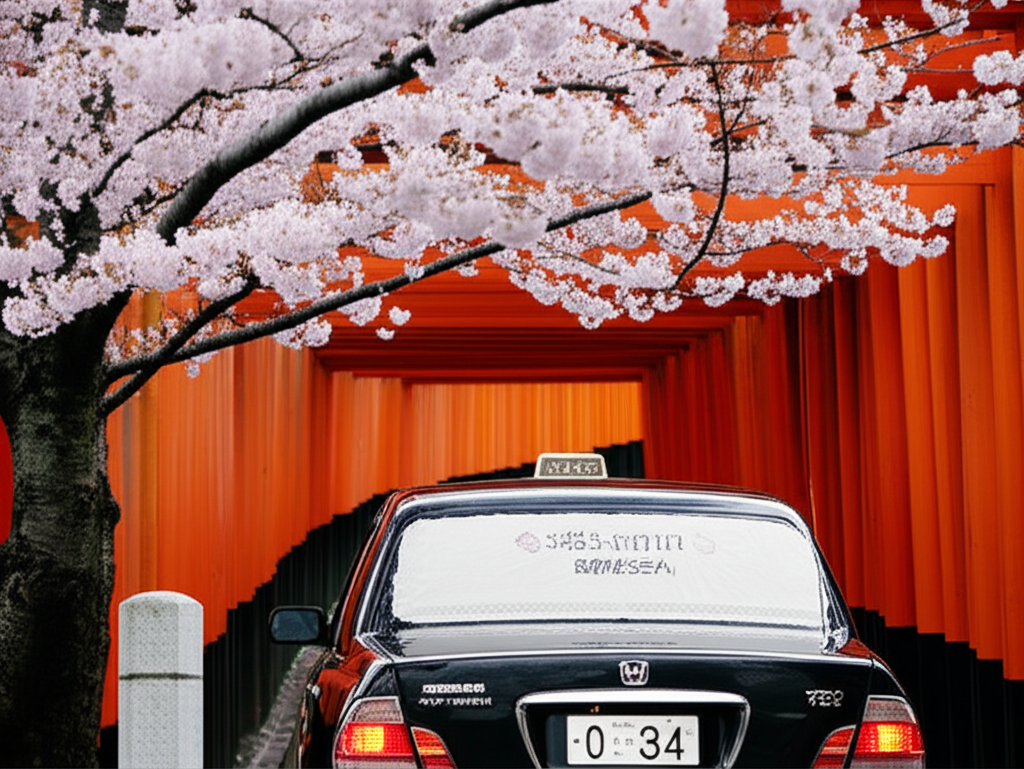
Kyoto Taxi Fare Guide 2025: Navigating Costs in the Traditional City
Kyoto, Japan's ancient capital, beckons with its serene temples, captivating geisha districts, and lush bamboo groves. While exploring this traditional city often involves charming walks and efficient public transport, there are times when a taxi becomes indispensable. However, many international travelers are surprised by the Kyoto taxi fares, which can be significantly higher than expected. This comprehensive Kyoto Taxi Fare Guide 2025 aims to demystify the costs, helping you budget effectively and make informed travel choices.
From understanding the basic fare structure to knowing when to splurge on convenience, we'll cover everything you need to know about navigating taxi costs in Kyoto.
Understanding Kyoto Taxi Fares 2025: The Basics
Kyoto's taxi fare system, like most in Japan, is metered and regulated. However, several factors contribute to the final cost, making it essential to understand the breakdown.
Basic Fare Structure
- Flag Fall (Initial Fare): This is the starting fee you pay as soon as you enter the taxi. For most standard taxis in Kyoto, the flag fall in 2025 is expected to be around JPY 500-600, covering the first 1.0 to 1.2 kilometers.
- Distance Charge: After the initial distance, the meter will tick up based on the distance traveled. This typically adds JPY 80-100 for every subsequent 250-300 meters.
- Time Charge (Idle Time): If the taxi is stuck in heavy traffic or moving very slowly (below a certain speed threshold, usually around 10 km/h), the meter will switch to a time-based charge. This means you're paying for the time spent, not just the distance, which can significantly increase the total Kyoto taxi cost during peak hours.
Additional Charges to Consider
- Night Surcharge: A significant factor contributing to high fares, a night surcharge (usually 20% extra) applies during late-night and early-morning hours, typically from 10:00 PM to 5:00 AM. Plan your late-night journeys accordingly.
- Toll Roads: If your journey involves expressways or toll roads, the toll fees will be added to your total fare. This is common for trips to and from Kansai International Airport (KIX) or longer distances outside the city center.
- Luggage: Generally, there are no extra charges for standard luggage that fits in the boot. However, extremely large or multiple oversized items might be subject to the driver's discretion, though this is rare.
- Payment Methods: Most Kyoto taxis accept cash, and an increasing number now accept credit cards (Visa, MasterCard, JCB, Amex) and even IC cards like Suica or Pasmo. Always confirm with the driver if paying by card.
Estimated Kyoto Taxi Fares for Popular Routes (2025)
To give you a clearer picture, here are some estimated taxi fares for common tourist routes within Kyoto. Please note these are approximations and can vary based on traffic, exact route, and time of day (night surcharge).
| Route | Approx. Distance | Estimated Day Fare (JPY) | Estimated Night Fare (JPY) |
|---|---|---|---|
| Kyoto Station to Gion District | ~3-4 km | 1,300 - 1,800 | 1,600 - 2,200 |
| Kyoto Station to Arashiyama Bamboo Grove | ~9-10 km | 2,800 - 3,500 | 3,400 - 4,200 |
| Kyoto Station to Kinkaku-ji (Golden Pavilion) | ~6-7 km | 2,000 - 2,600 | 2,400 - 3,100 |
| Kyoto Station to Fushimi Inari Shrine | ~4-5 km | 1,500 - 2,000 | 1,800 - 2,400 |
When to Opt for a Taxi (and Alternatives)
While the Kyoto taxi fares can be steep, there are certainly situations where they offer unparalleled convenience and value, especially for international travelers.
Advantages of Using a Taxi
- Convenience and Speed: Taxis offer door-to-door service, saving you the hassle of navigating complex bus or train routes, especially if you're unfamiliar with the language or carrying heavy luggage.
- Late-Night Travel: After public transport stops running (typically around midnight), taxis become the only viable option for getting around.
- Group Travel: For groups of 3-4 people, the cost per person can sometimes be comparable to or even cheaper than individual bus or train tickets, especially for shorter distances.
- Accessibility: For travelers with mobility issues or young children, taxis provide a comfortable and direct mode of transport.
- Bad Weather: On rainy or extremely hot days, a taxi offers a welcome escape from the elements.
Considering Alternatives: Private Transfers & Public Transport
Given the potentially high fares, especially for longer distances or airport transfers, it's wise to consider alternatives:
- Public Transport: Kyoto boasts an excellent network of buses and trains. For most day trips, these are the most economical and often efficient options. Consider a day pass if you plan extensive sightseeing.
- Private Transfer: For airport journeys (Kansai International Airport or Osaka Itami Airport), long-distance routes, or if you simply prefer a guaranteed, comfortable, and often fixed-price service, a private transfer Kyoto is an excellent choice. Platforms like Transferhood allow you to book and pay in advance, eliminating language barriers and fare surprises. This is particularly beneficial for families or those with significant luggage.
- Shuttle Services: For airport transfers, shared shuttle services can be a more budget-friendly alternative to a private taxi, though they may involve multiple stops.
Tips for Saving on Kyoto Taxi Fares & Navigating the System
Even if you decide to use taxis, there are ways to manage your spending and ensure a smooth experience in this traditional city with potentially high fares.
- Combine with Public Transport: Use buses and trains for the majority of your journeys, and reserve taxis for specific situations like late nights, bad weather, or when traveling with heavy luggage.
- Estimate Fares: Before hopping in, get an idea of the expected cost. Use an online Kyoto taxi fare calculator or ask your hotel concierge for an estimate.
- Have Your Destination Ready: Show the driver the exact address or name of your destination in Japanese (e.g., on your phone or a hotel card). Most drivers may not speak fluent English.
- Consider Private Transfers for Key Routes: For critical transfers, such as your arrival from the airport or a pre-planned day trip requiring multiple stops, booking a private transfer Kyoto in advance can offer peace of mind and often a better overall value.
- Look for Shared Taxis (Limited): While not as prevalent for tourists, some services offer shared taxi options for specific routes, which can reduce the individual cost. Inquire locally if available.
Conclusion
Kyoto's charm is undeniable, and while its taxi fares can be higher than expected, understanding the system empowers you to make smart choices. By combining efficient public transport with strategic taxi use and considering private transfers for convenience and fixed pricing, you can enjoy all that this magnificent traditional city has to offer without breaking the bank. Plan your journeys wisely, and immerse yourself in the beauty of Kyoto.
Ready to explore Kyoto with confidence? Plan your routes and compare options today. For fixed-price, comfortable private transfers, consider booking through Transferhood for a seamless travel experience.