Demystifying the Taxi Meter: Your Guide to Fair Fares Abroad
Traveling to a new country is an exciting adventure, but navigating local transportation can sometimes feel like a puzzle. One of the most common forms of transport, taxis, often comes with a device that many travelers find mysterious: the taxi meter. Understanding how taxi meters work, particularly the concepts of "flag fall" and "per-kilometer rates," is crucial for budgeting your trip and ensuring you're paying a fair price. This guide will break down the mechanics of taxi meters, empowering you to ride with confidence on your next international journey.
Flag Fall & Per-Kilometer Rates: The Core Components of Your Fare
What is "Flag Fall"? The Starting Gun for Your Ride
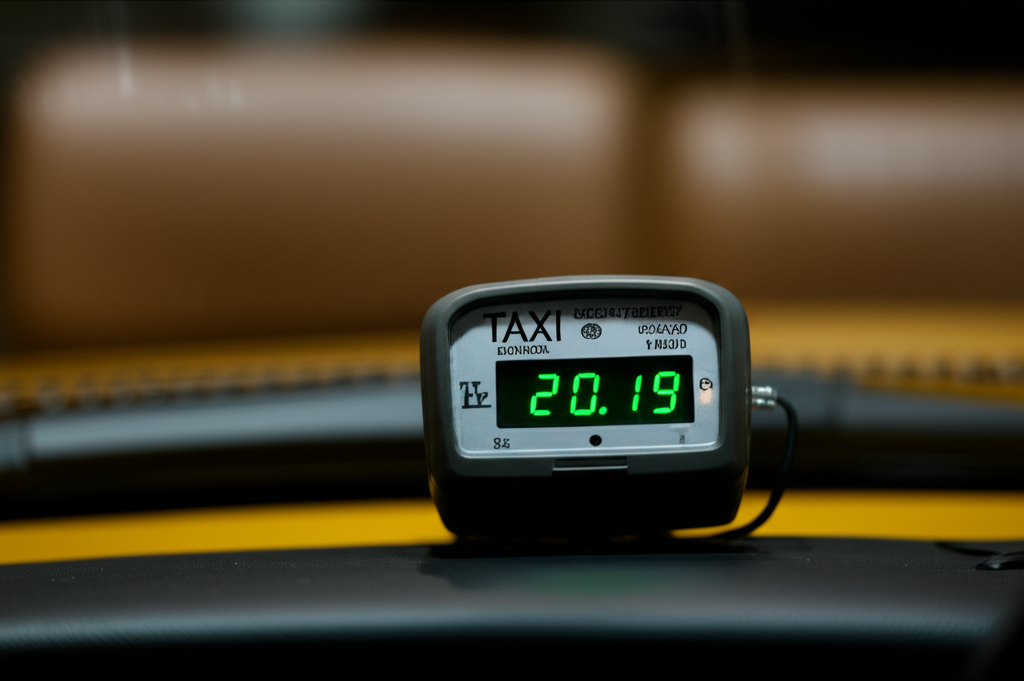
Imagine stepping into a taxi. As soon as you confirm your destination and the driver sets off, you'll often hear a click and see an initial amount appear on the meter. This is the "flag fall" or "initial charge." It's a fixed base fee that covers the taxi's availability, the driver's time to pick you up, and the very first segment of your journey. Think of it as the minimum fare you'll pay, even for the shortest ride. This charge is non-negotiable and is designed to compensate the driver for their initial service, regardless of how far you actually travel.
- Purpose: Covers initial operational costs and ensures a minimum payment for the driver.
- Visibility: Always the first amount displayed on the meter.
- Variation: Flag fall amounts vary significantly by city and country, reflecting local operating costs and regulations.
Understanding Per-Kilometer Rates: Your Journey's Accumulator
Once the flag fall is registered, the meter switches to calculating the fare based on distance traveled. This is where "per-kilometer rates" (or per-mile rates in some regions) come into play. As the taxi moves, the meter continuously measures the distance and adds increments to your total fare based on the pre-set rate. This rate can sometimes be tiered, meaning the cost per kilometer might decrease slightly after a certain distance, or increase during peak hours.
It's important to note that many taxi meters are sophisticated devices that don't just measure distance but also time. If the taxi is moving very slowly or stuck in traffic, the meter might switch to a "waiting time" rate, which we'll discuss next, to ensure the driver is compensated for their time even when not covering significant distance.
The Role of Waiting Time: When the Meter Keeps Ticking
You're in a taxi, cruising smoothly, and then suddenly you hit a traffic jam. The taxi is barely moving, but you notice the meter is still ticking up. This is due to the "waiting time" charge. Taxi meters are programmed to account for periods when the vehicle is stationary or moving below a certain speed threshold. This ensures drivers are compensated for their time even when they aren't actively covering distance, which is particularly relevant in congested urban areas or during stops requested by the passenger.
Beyond the Basics: Surcharges and Special Conditions
While flag fall and per-kilometer rates form the backbone of your taxi fare, several other factors can influence the final cost. Being aware of these potential surcharges can help you avoid surprises and better estimate your travel budget.
- Night/Late-Hour Surcharges: Many cities implement higher rates for rides taken during late-night or early-morning hours, reflecting the reduced availability of public transport and higher demand for taxis.
- Airport/Station Pickup Fees: Taxis picking up passengers from airports, train stations, or major ports often incur an additional fee, sometimes passed directly to the passenger. This covers facility access charges and waiting times.
- Luggage Fees: While not universal, some taxi services charge a small fee for excessive or oversized luggage, especially if it requires using the trunk space.
- Toll Charges: If your route includes toll roads or bridges, these charges are almost always added directly to your fare. Drivers are usually required to provide a receipt for tolls if requested.
- Holiday/Peak Season Rates: On major public holidays or during significant local events, some taxi services might apply a temporary surcharge.
Here's a simplified example of how these components might add up:
| Fare Component | Description | Example Cost (Local Currency) |
|---|---|---|
| Flag Fall | Initial fixed charge | 5.00 |
| Per-Km Rate | Distance-based charge (e.g., 10 km @ 2.00/km) | 20.00 |
| Waiting Time | Time spent stationary (e.g., 5 min @ 0.50/min) | 2.50 |
| Airport Surcharge | Fixed fee for airport pickups | 3.00 |
| Estimated Total | 30.50 |
Navigating Your Ride: When to Choose a Taxi and Alternatives
Understanding how taxi meters work gives you an edge, but knowing when to opt for a taxi versus other options is equally important for smart travel. Taxis are excellent for convenience, especially when carrying luggage, traveling in groups, or needing direct routes where public transport might be less efficient. Always look for official, licensed taxis with visible meters to ensure fair pricing.
For those who prefer a fixed price upfront and a guaranteed comfortable experience, a private transfer service is an excellent alternative. Platforms like Transferhood allow you to book and pay for your ride in advance, eliminating any concerns about meters, surcharges, or language barriers. This is particularly beneficial for airport transfers or long-distance journeys where you want complete transparency on cost.
Before you travel, it's always a good idea to research typical taxi fares for your destination. Many travel websites offer a taxi fare calculator or provide estimated costs for popular routes, such as from the airport to the city center. This preparation helps you set expectations and ensures you're never caught off guard.
By understanding the components of a taxi fare – from the initial flag fall to per-kilometer rates and potential surcharges – you're better equipped to manage your travel budget and enjoy a stress-free journey. Whether you choose a metered taxi or the convenience of a pre-booked private transfer, informed decisions lead to smoother travels.